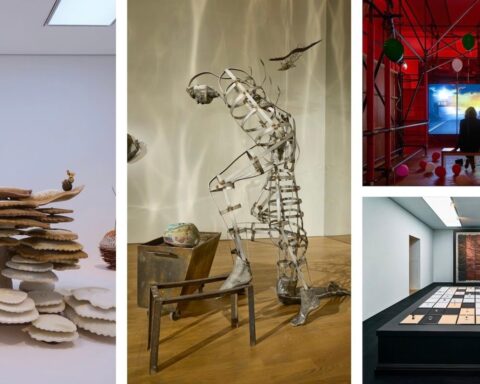
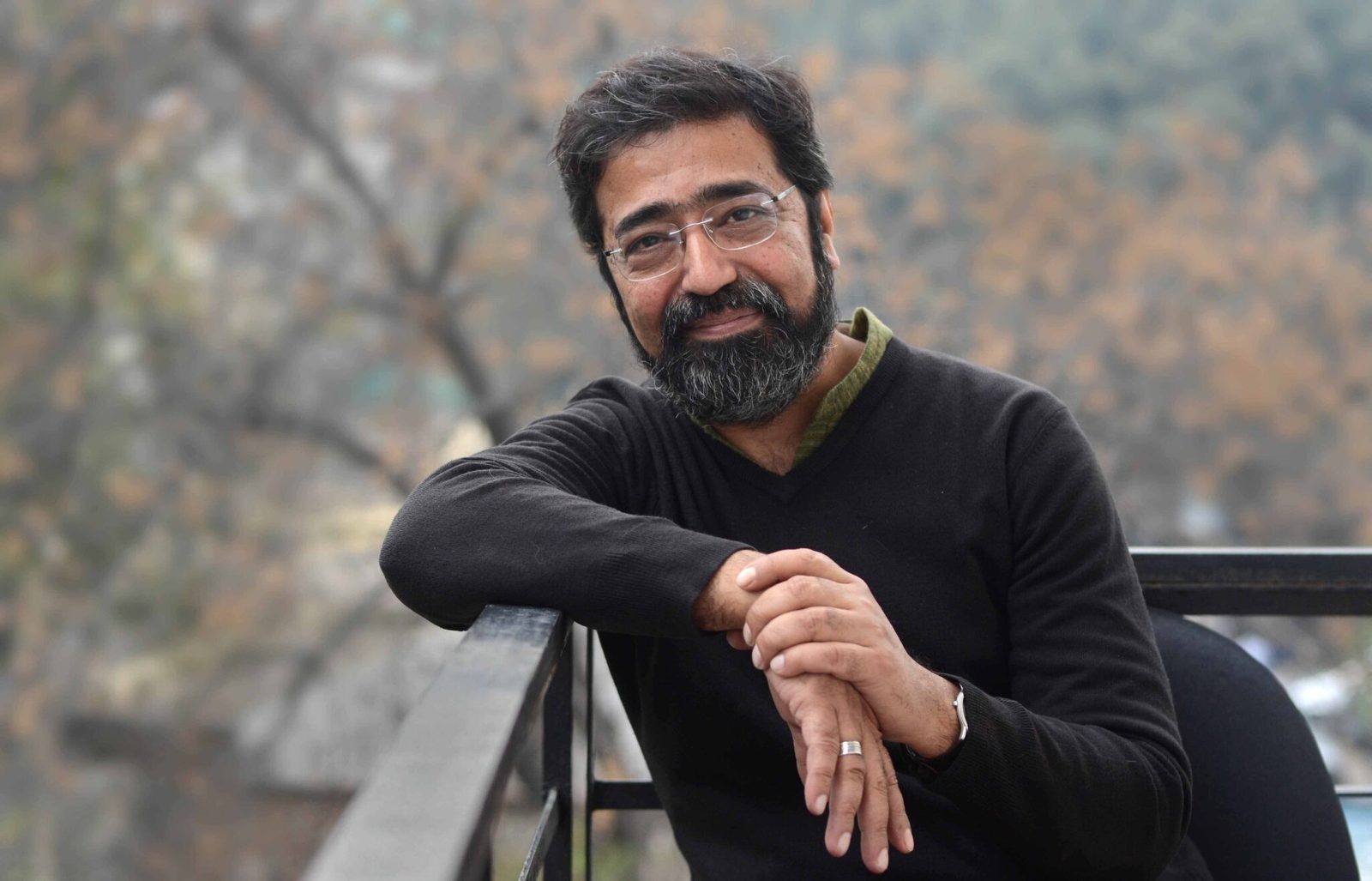
On September 23, 2026, the Serpentine North Gallery in London opened a solo exhibition by Amar Kanwar, the New Delhi based filmmaker and visual artist. The show, which carries the artist’s name, runs through January 31, 2027, and admission is free. It was curated by Chris Bayley, who worked closely with Kanwar to turn the gallery into an immersive environment for moving image. The presentation is one of the artist’s most significant showings at a British institution to date.
Born in New Delhi in 1964, Kanwar has spent roughly three decades making work that moves between documentary, travelogue and visual essay. His films examine social upheaval, displacement, power, violence and justice, often returning to the enduring legacies of decolonisation and the 1947 Partition of the subcontinent. His approach is often described as lyrical and patient, closer to a visual poem than to conventional reporting. His work has been shown at Tate Modern, the Metropolitan Museum of Art and several editions of documenta in Kassel.
The exhibition brings together three major pieces across about three hours of running time. Such a Morning, from 2017, follows a professor who retreats to live in darkness, and is accompanied here by handmade paper works that extend its narrative. The Peacock’s Graveyard, from 2023, is a multi-screen installation. At the center is The Charcoal Man, a newly commissioned seven-screen film installation receiving its world premiere.
Rather than presenting the films as separate screenings, the show arranges them as a single site-specific environment, a meditative visual and sonic space that visitors move through at their own pace. The design lets images, sound and silence build associations across the works, framing the gallery as a place for reflection and memory rather than straightforward reportage.
The presentation is one of the most substantial surveys of Kanwar’s moving-image practice staged in London. By pairing earlier films with a large new commission, Serpentine places him within a longer conversation about how art can hold difficult histories. It continues the gallery’s record of giving its north space to artists working where film, politics and contemplation meet. Because admission is free and the films reward slow looking, the gallery anticipates return visits across a run that continues to the end of January.