The European Commission has approved Nestlé’s plan to place its bottled water business in a joint venture with the American investment firm Platinum Equity. Brussels cleared the deal on Tuesday under the EU Merger Regulation, removing a regulatory hurdle for the Vevey-based food group. The decision allows one of the Swiss food group’s most closely watched portfolio moves to proceed to the next stage, after months of preparation on both sides of the Atlantic.
Formally, the Commission authorised the joint acquisition of Nestlé Waters, registered in Luxembourg, by Platinum Equity, LLC and its affiliates together with Nestlé. The new company will be called Peranel.
According to the Commission, the transaction mainly concerns bottled water, along with some other drinks, and the two partners neither compete in the same market nor operate in related vertical markets. On that basis, the regulator concluded that the deal would raise no competition concerns. Nestlé had not yet responded to a request for comment from the AWP news agency when the decision was announced in Brussels.
Nestlé named Platinum Equity as its financial partner for the water division in July. The group has been looking to part with the business since 2024, after Nestlé Waters was caught up in a scandal over the use of illegal filters. Under the plan, Nestlé will sell half of its bottled water operation, which spans more than 30 brands sold in 120 countries.
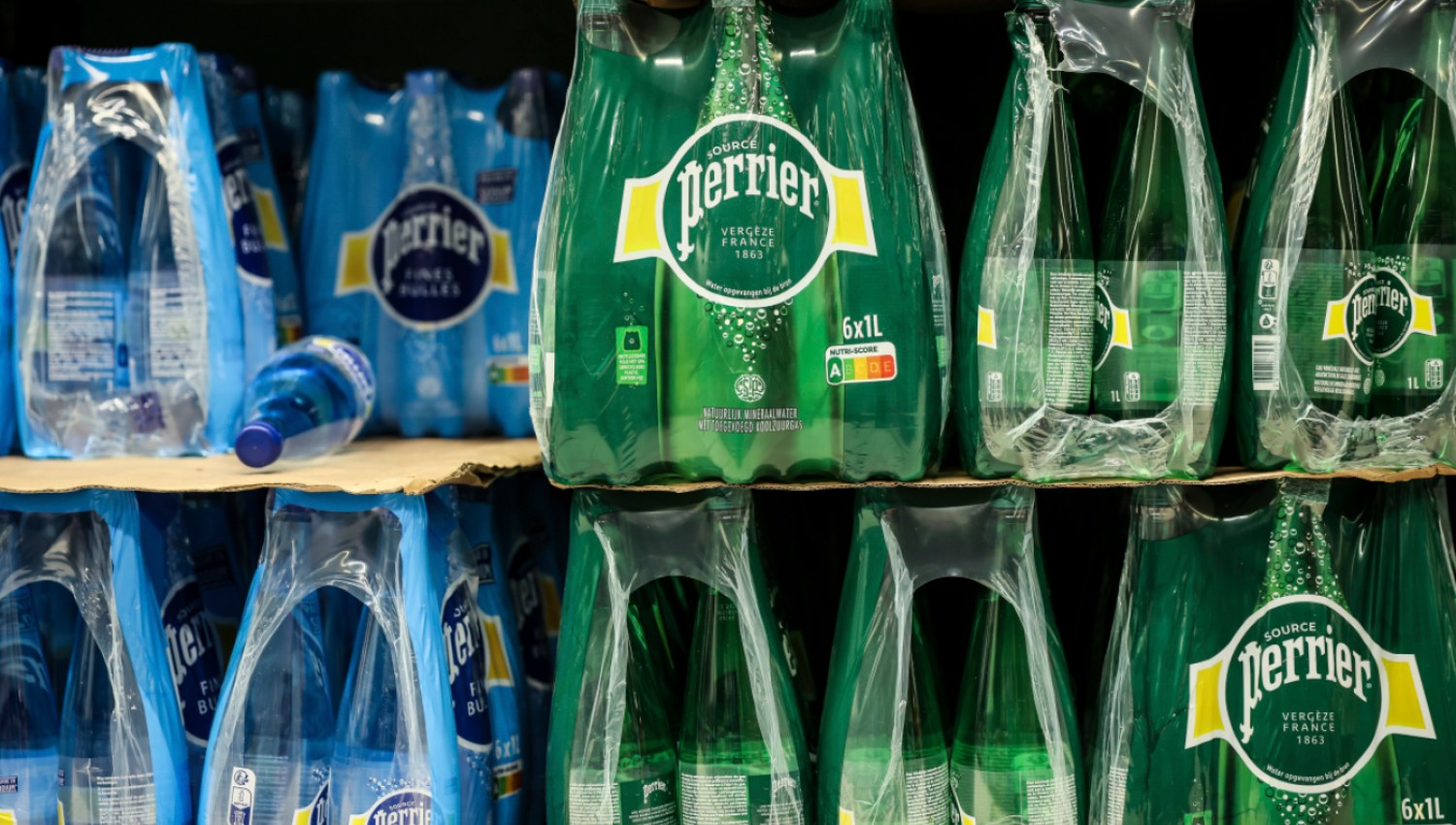
The portfolio includes some of the best-known names in the category, among them S.Pellegrino, Source Perrier and Acqua Panna. A Peranel website is already live and lists further brands, including Henniez from western Switzerland, the French waters Perrier, Vittel, Contrex and Hépar, Sohat from Lebanon and Buxton from Britain.
The deal values Peranel at €4.9 billion, or 4.5 billion Swiss francs. When it announced the partnership at the end of July, Nestlé said it expected the transaction to close in the first half of 2027 and that it would receive around CHF2.8 billion in that period. For Nestlé, the joint venture is the route it chose to scale back its exposure to the water division, which it has been trying to divest since 2024, while keeping a half share in a portfolio of brands sold in 120 countries.