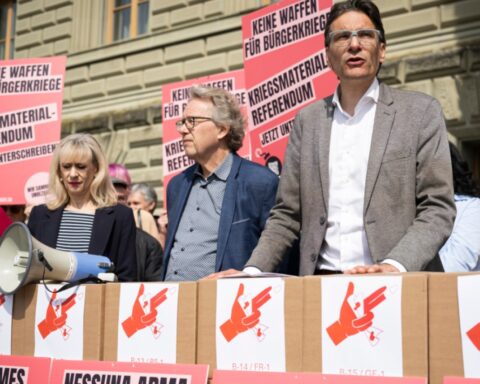
An alliance opposed to Switzerland’s free trade agreement with the South American Mercosur bloc has started collecting signatures to force a national vote on the deal. Representatives of the alliance presented their case to journalists in Bern on Tuesday, setting out both environmental and agricultural objections and warning that the agreement puts endangered rainforest at risk. The launch opens the next stage of a long political process around one of the largest trade deals Switzerland has negotiated through EFTA in recent years.
The deal was concluded through the European Free Trade Association, of which Switzerland is a member, and was signed on 16 September. EFTA and Mercosur reached agreement in July 2025 after eight years of negotiations, and the negotiators added safeguards, including environmental provisions, because trade pacts of this kind attract close public attention. In mid-September 2026, the Council of States approved the agreement and set aside CHF517 million for Swiss agriculture.
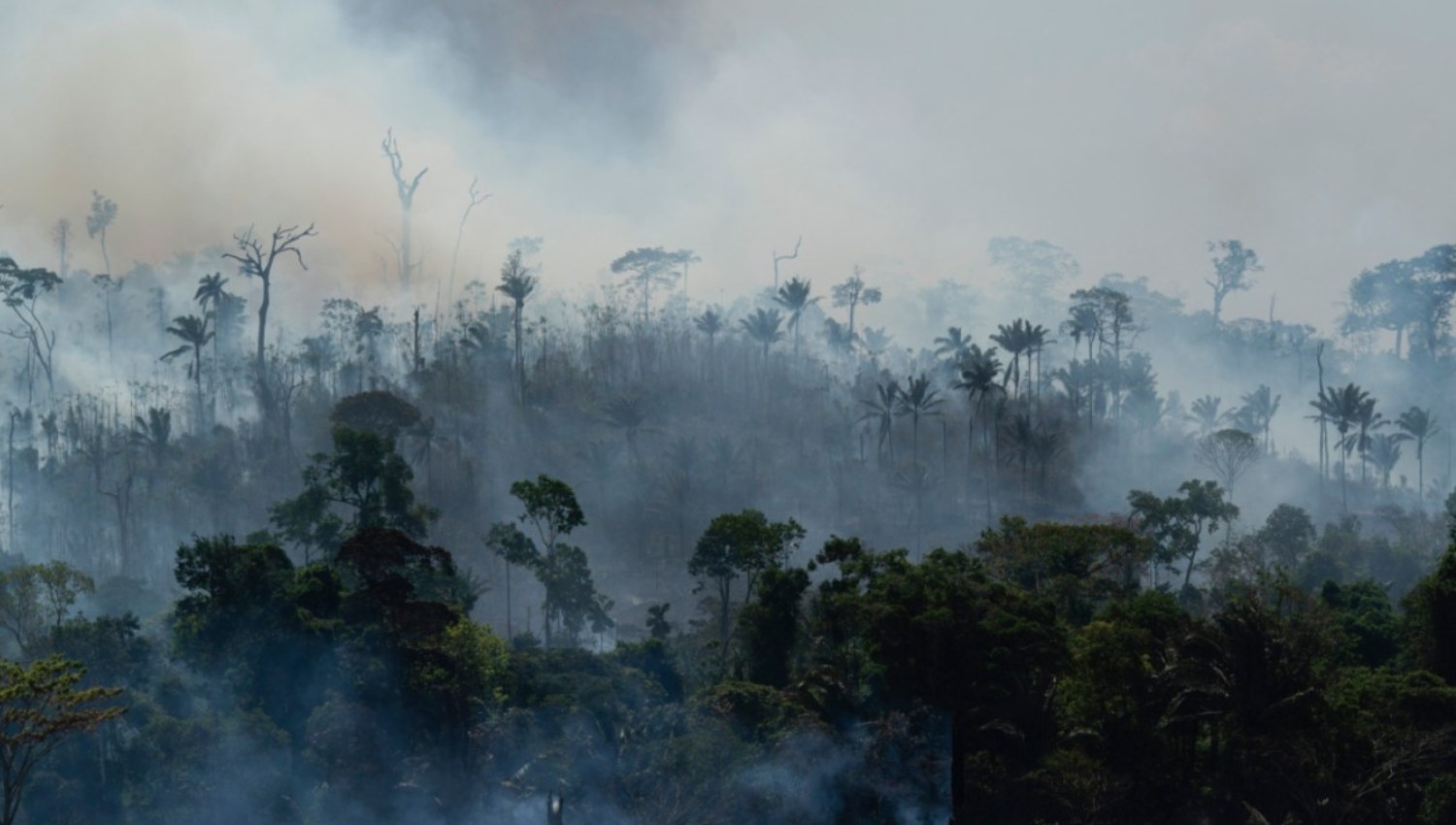
The opponents focus on how food is produced in the Mercosur countries of South America and what that means for the people and forests there. They say large-scale soy cultivation and intensive cattle farming are among the main causes of rainforest clearance in the region. The spread of industrial agriculture, they argue, pushes long-established communities off their land, and cases of forced labour on plantations keep coming to light.
In the alliance’s view, the agreement would add new incentives to import food produced under those conditions. Its members also see considerable risks for Swiss farmers, who would face more competition from imports. The alliance therefore combines two lines of argument: the environmental and social conditions in South America, and the economic pressure the deal could put on agriculture at home. The concern for domestic agriculture echoes the debate in parliament, where the Senate paired its approval with the CHF517 million package for the sector.
To bring the agreement before voters, the alliance must submit 50,000 valid signatures to the Federal Chancellery by 21 January 2027. If it succeeds, the free trade agreement with Mercosur will go to a nationwide ballot, and Swiss voters, rather than parliament alone, will have the final say on whether it takes effect. The campaign now has just over three months to reach that threshold, a period that includes the Christmas holidays, when collecting signatures on the street tends to be harder.