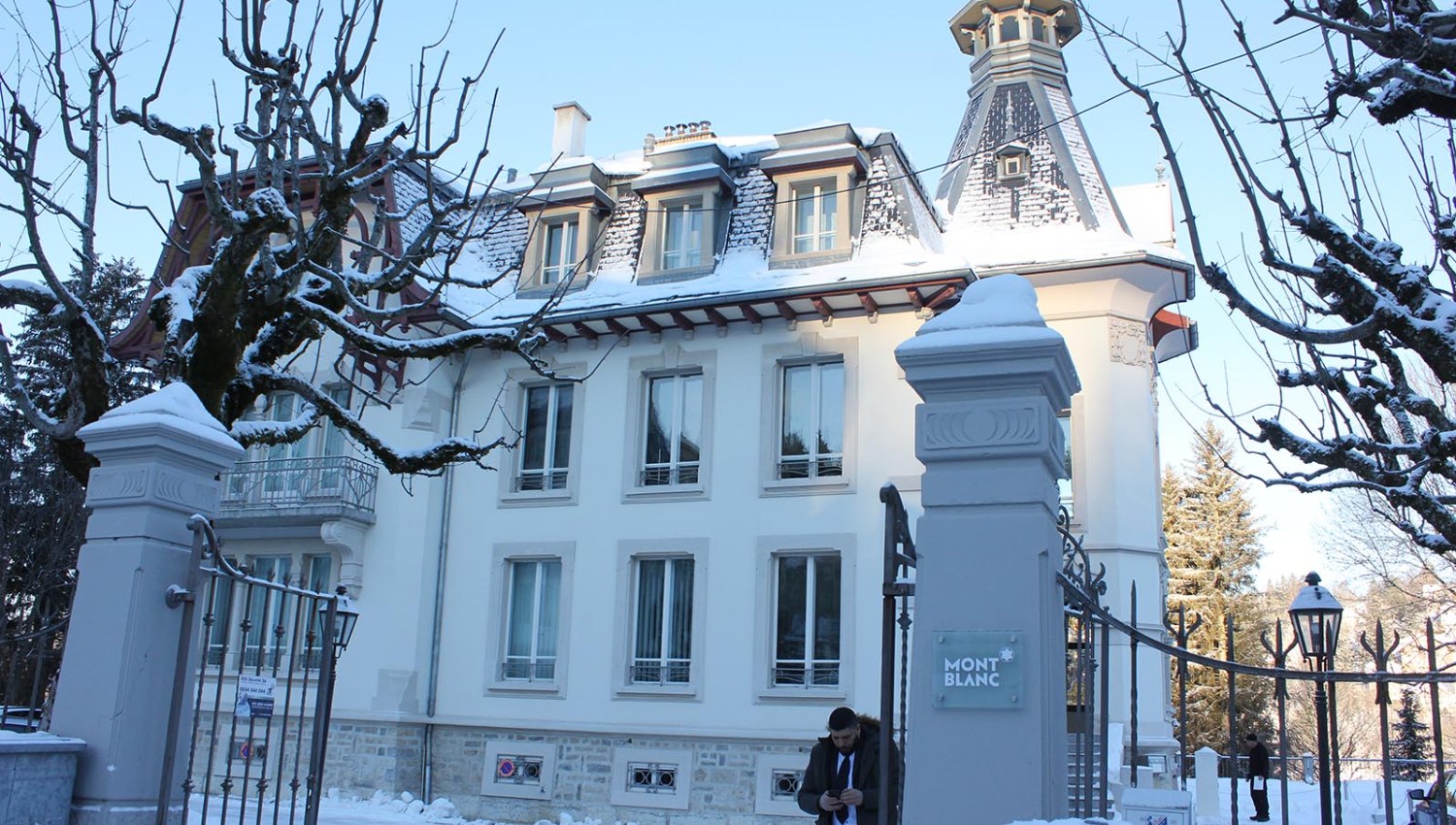
Geneva-based luxury group Richemont is restructuring Montblanc’s watchmaking operation in Le Locle because of weaker demand. Six employees have been made redundant and 17 others are being moved to other companies within the group, a reorganisation that leaves the Le Locle team much reduced, according to the Unia Neuchâtel trade union. Le Locle, in the Neuchâtel Jura, is one of the historic centres of Swiss watchmaking.
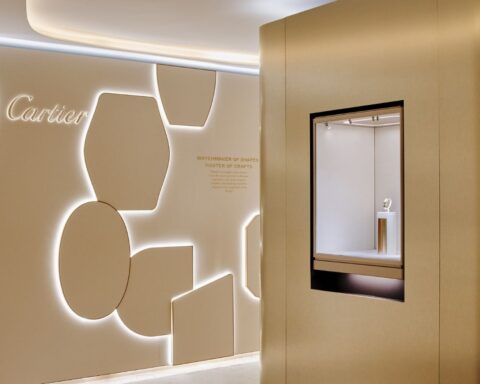
Solenn Ochsner, the union’s secretary, told the AWP news agency that 23 of the 45 people working at the Le Locle site, which was set up in 1997, have accepted or are negotiating a transfer. She said the job cuts were finalised at the end of September. Richemont is offering affected staff positions at other group companies, including Cartier, while a minority have agreed to move to the Minerva manufacture in Villeret, in the Bernese Jura. Richemont could not immediately be reached for comment, so the details of the restructuring come from the union’s account.
The transfers come at a cost for some employees. Ochsner said the new contracts are not quite the same as the old ones, and some staff will face longer daily journeys to work. In her view, Montblanc is suffering from a crisis that runs through the whole watch industry and is hitting entry-level and mid-range models hardest. Those are the segments where buyers have pulled back most, while demand at the top end has held firmer.
The contrast with Minerva is sharp. Richemont bought the Villeret workshop in 2006 and has turned its 19th-century premises into a centre of excellence focused on the very top of the market. Business there, Ochsner said, “is going very well”. The split mirrors a wider pattern in Swiss watchmaking, where the most expensive pieces have held up better than cheaper ones.
At group level, Richemont’s results look healthier. In the first quarter of its 2026/27 financial year, sales rose 17% to €6.3 billion, or CHF5.9 billion, driven mainly by jewellery. The crisis in the Middle East and the continuing slowdown in China did not dent the figures. Richemont’s watch brands also returned to growth after two years of decline, with sales up 6% to €873 million, though the Le Locle cuts show that the recovery is not reaching every part of the business.