
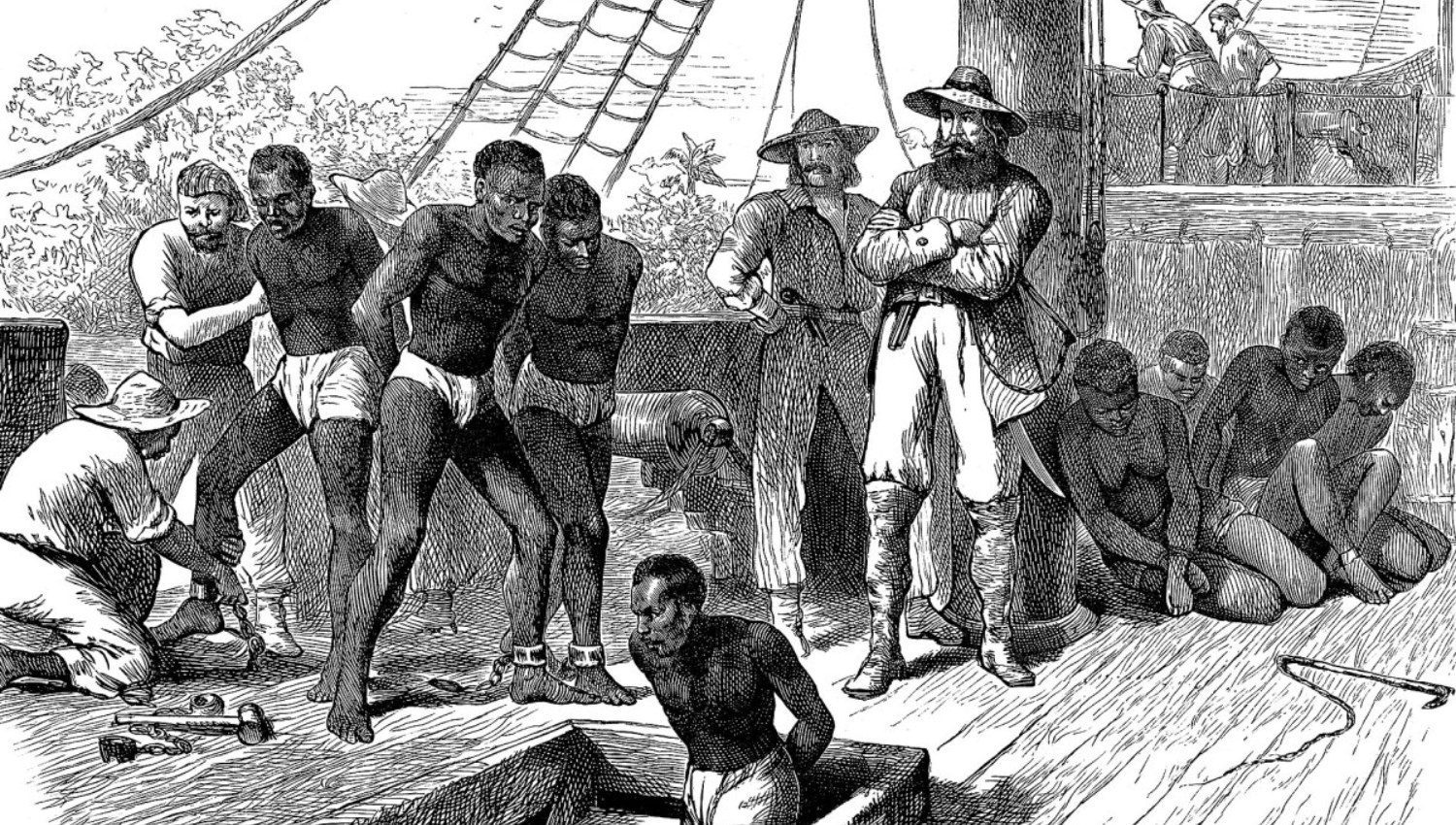
Switzerland’s Office of the Attorney General must examine a criminal complaint alleging that the historical predecessors of the cantons of Zurich, Bern and Solothurn aided and abetted slavery. The complaint argues that the three city-states helped finance a system built on the transatlantic slave trade in the 18th century.
St Gallen lawyer Catherine Reiter filed the complaint in early September on behalf of Shelley Moorhead, an activist from the US Virgin Islands who describes himself as a descendant of people enslaved in the Danish West Indies. He campaigns through the African-Caribbean Reparations and Resettlement Alliance. The case draws on an expert report by historian Hans Fässler, also based in St Gallen, who has spent years researching Swiss links to colonialism and slavery and is also a writer and political activist.
Fässler’s study looks at members of the Old Swiss Confederacy and argues that the three states profited from colonial structures. In the 18th century, Zurich invested in the British South Sea Company, which was involved in the slave trade, while the state-owned Bank Leu lent money to firms and banks connected to plantations. Bern put large sums into the South Sea Company as early as 1719 and held Danish government bonds for decades. Solothurn’s holdings were mainly in the French Mississippi Company. The report also examines a Swiss regiment in French service that helped put down slave revolts in the Caribbean, deployments the cantons approved. Fässler concludes that educated Swiss circles knew about the trade and the conditions enslaved people endured.
Reiter’s legal argument is that slavery was already banned under customary international law by the 18th century at the latest, and that crimes against humanity are not subject to a statute of limitations. Because criminal law targets individuals who are long dead, she treats today’s cantons as legal successors that acted as economic players, much as companies can be held liable. She said the complaint is “by no means symbolic in nature”.
The case is a nearly unprecedented attempt in Switzerland to treat historical slavery as a crime that can still be prosecuted. Prosecutors must first decide whether the matter falls under federal jurisdiction and whether there is enough initial suspicion. Spokesperson Claudia Balzli said that filing a complaint is not the same as opening criminal proceedings, and that it is being reviewed according to standard procedure.