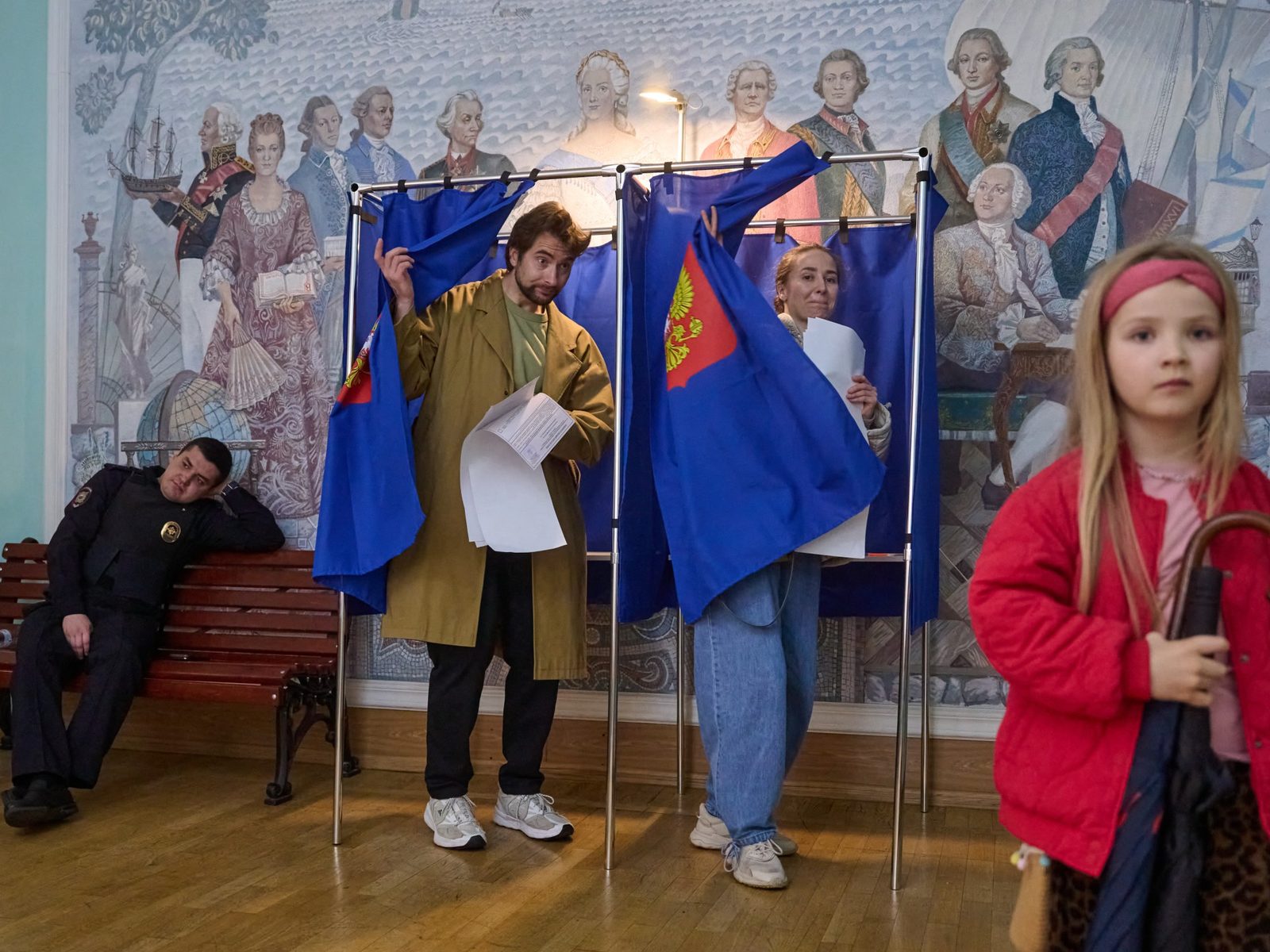
Russia’s ruling United Russia party won a commanding majority in the State Duma election, according to results reported on 21 September 2026 after three days of voting. With more than 95 percent of ballots counted, the party took about 57.9 percent of the vote on the party lists and 225 of the seats allocated that way, extending the Kremlin’s tight grip on the lower house of parliament.
Turnout was reported at just below 57 percent. The Communist Party trailed with 13.84 percent, the Liberal Democratic Party with 8.9 percent, the New People party with 7.94 percent and A Just Russia with 4.95 percent, leaving the systemic opposition parties well behind. Voting also took place in Crimea and in four regions of Ukraine that Russia annexed illegally, a fact that drew objection from Kyiv and Western capitals.
The election unfolded during the war in Ukraine, and analysts had watched for signs that wartime strain might dent the government’s support. One assessment from the NEST research group warned that “the consequences of the war are increasingly being felt within the country, and accumulated anxiety and frustration may translate into votes for the systemic opposition parties.” The headline figures suggested little such movement.
The Kremlin presented the result as an endorsement of its course, both at home and on the battlefield, and the government rejected criticism of the vote as interference in its affairs. Opposition figures, many of them in exile or barred from running, along with independent monitors, questioned the fairness of a contest held with limited competition, tight media control and few avenues for genuine dissent. International observers were largely absent from the process, and the government insisted the vote reflected the will of the people.
For President Vladimir Putin, the vote delivers a compliant parliament heading into a period of economic pressure and continued fighting. For his critics, it underscores how thoroughly electoral politics in Russia has been managed, with outcomes rarely in doubt. The Duma that emerges will be tasked with backing the government’s wartime priorities, and its composition offers a snapshot of a political system built to project unity above open contestation.