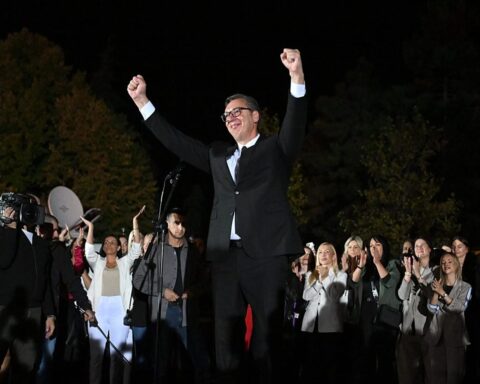
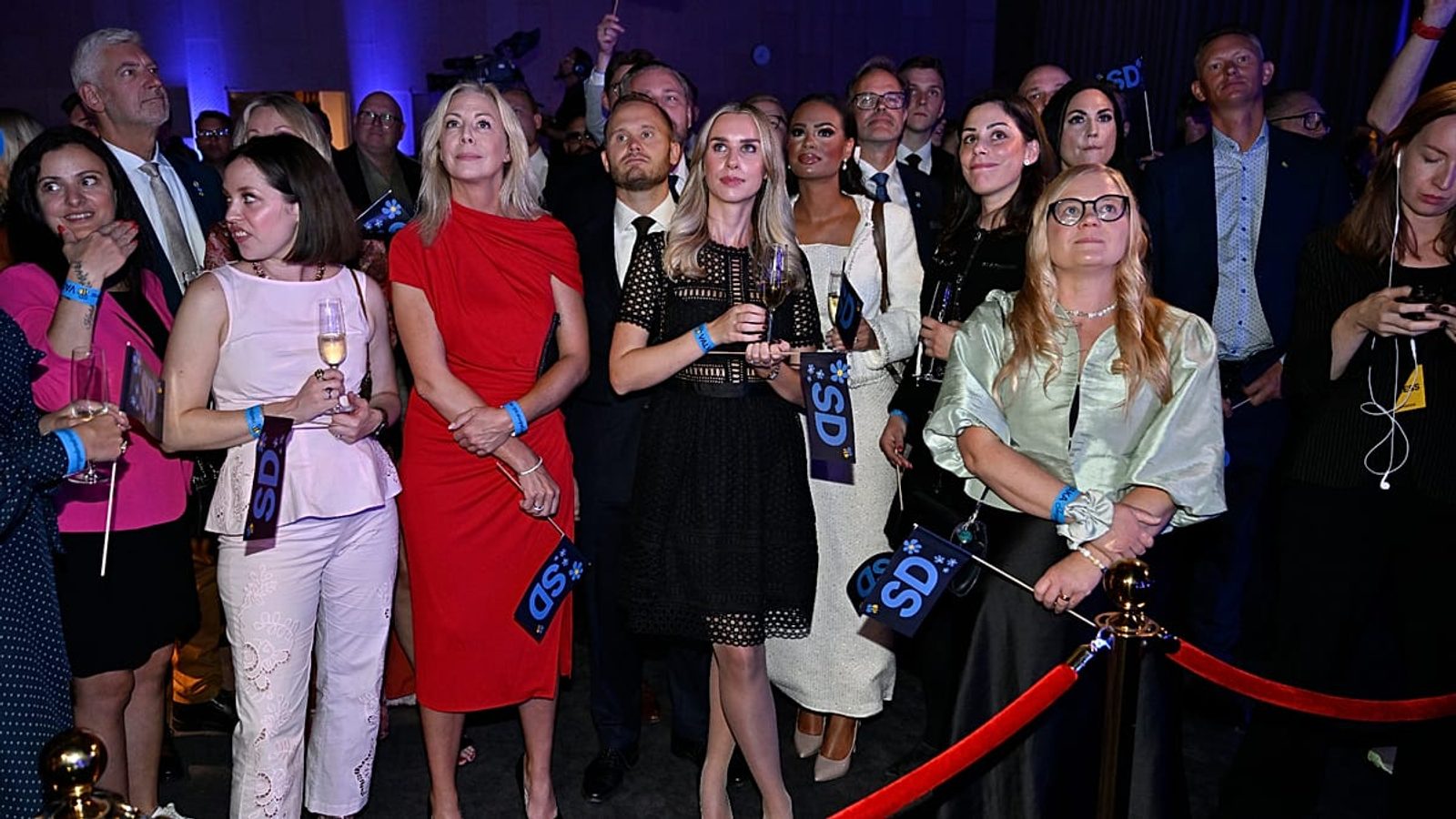
Sweden woke on 17 September 2026 to a change of government decided by the slimmest of margins. The centre-left opposition edged ahead in the final count of the general election, and Prime Minister Ulf Kristersson announced he would resign, ending three years of a right-leaning administration that had governed with the support of the Sweden Democrats. Attention shifted to Magdalena Andersson, the Social Democrat leader and former prime minister, who was now positioned to attempt a return to the office she lost in 2022.
The result was among the tightest in modern Swedish history. Andersson’s bloc, made up of the Social Democrats, the Left Party, the Greens and the Centre Party, secured 175 seats in the 349-seat Riksdag against 174 for the outgoing coalition, a margin of roughly 50,000 votes nationwide. The count stretched over several days, with postal and overseas ballots deciding the outcome only after election night had passed and both sides had claimed momentum.
Andersson framed the vote as a mandate for a new course. She said she was ready to “lead a government that realises the new direction that the Swedish people have voted for,” and moved quickly to open talks with her prospective partners. Her campaign had leaned on worries about the economy, welfare spending and the tone of public life under a government that depended on the far right to pass its budgets.
Kristersson’s supporters pointed to his record on crime and migration, the issues that dominated the campaign after years of gang violence and a tougher line on asylum. The Sweden Democrats, who had backed his government without holding cabinet posts, remained one of the largest parties in parliament. The narrow result left the incoming government with little room to claim a decisive shift in the national mood.
The path to a stable administration was far from settled. By late September, Andersson acknowledged there was “currently no possibility” to form a coalition on the terms she wanted, a candid admission of how fragile a three-seat majority becomes when four parties must agree on a program. For a country long viewed as a model of Nordic consensus, the election confirmed that Swedish politics has entered a more volatile and closely fought era, whichever bloc ends up governing.