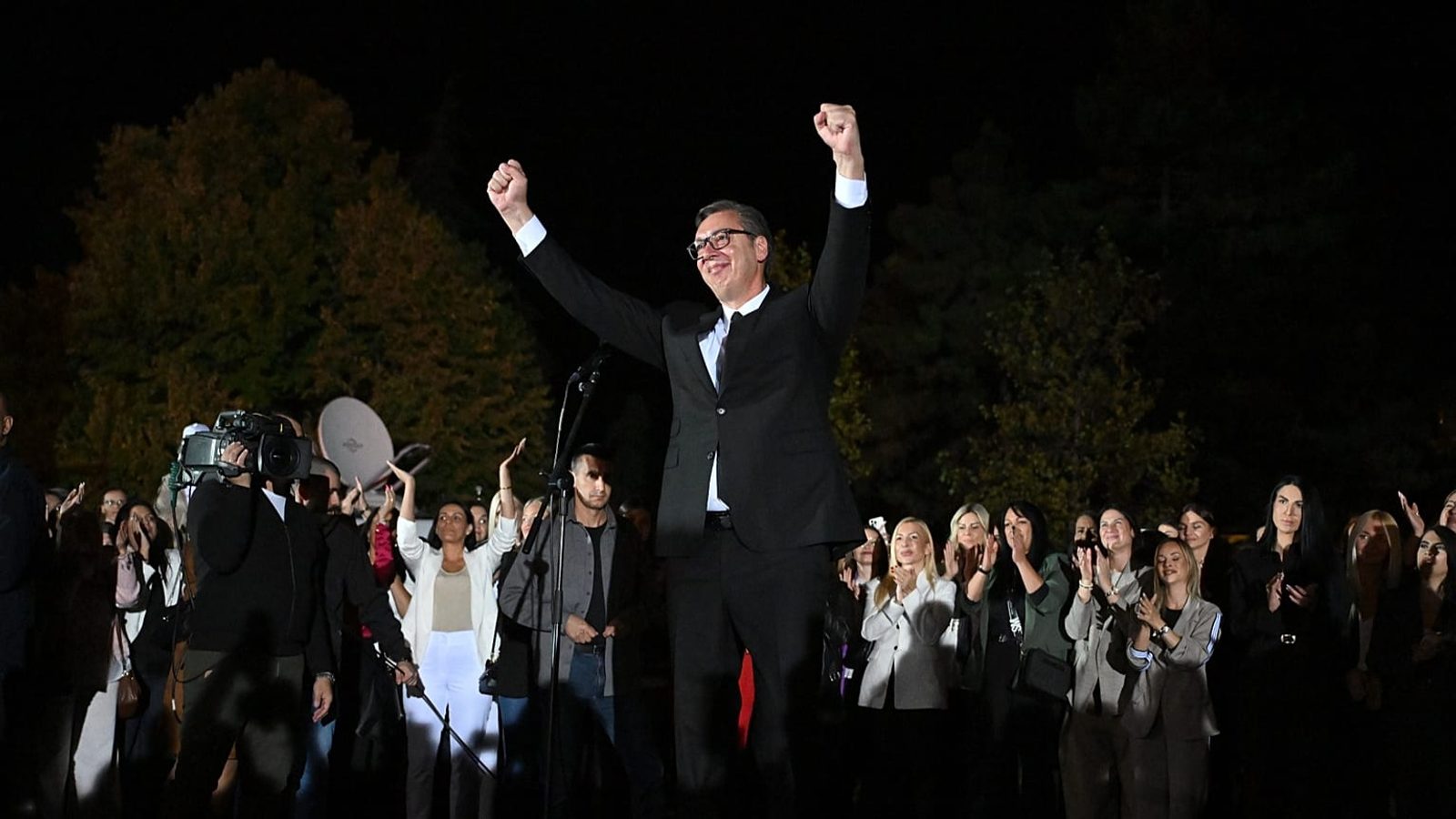
Serbian President Aleksandar Vucic resigned on 27 September 2026 to run for prime minister in snap parliamentary elections, an unusual swap of the country’s two highest offices. The vote is scheduled for 25 October, and his decision reshaped Serbian politics at a moment of sustained public unrest. “I am resigning the duty of the President of the Republic,” he said as he confirmed his departure from the post.
Vucic had dominated Serbian government for more than a decade, serving as prime minister and then president, and the constitution barred him from seeking a third presidential term. By stepping down to lead his Serbian Progressive Party into the election, he signalled an intention to remain the central figure in national politics rather than retreat from it. Ana Brnabic, a former prime minister and close ally, was set to take over as acting president during the campaign.
The move came against nearly two years of protests that followed the collapse of a railway station canopy in Novi Sad in November 2024, a disaster that killed 16 people and became a symbol of anger over corruption and construction standards. A student-led movement has kept up demonstrations across the country, demanding accountability and early elections, and turning the tragedy into a broader test of the government.
Supporters cast Vucic as a source of stability who has steered Serbia’s economy and guarded its interests between the European Union and traditional partners such as Russia and China. Critics argue that his years in power have concentrated control over institutions and the media, and they view the presidential resignation as a tactic to renew his mandate rather than to loosen his grip.
The snap election will pit the governing party’s machinery against a protest movement that has proven durable but has yet to coalesce behind a single political vehicle. The outcome will shape Serbia’s path toward EU membership, its balancing act with Moscow and Beijing, and the future of a street movement that has become the most serious challenge to Vucic in years. Whatever the result, the campaign will amount to a referendum on more than a decade of his leadership.